
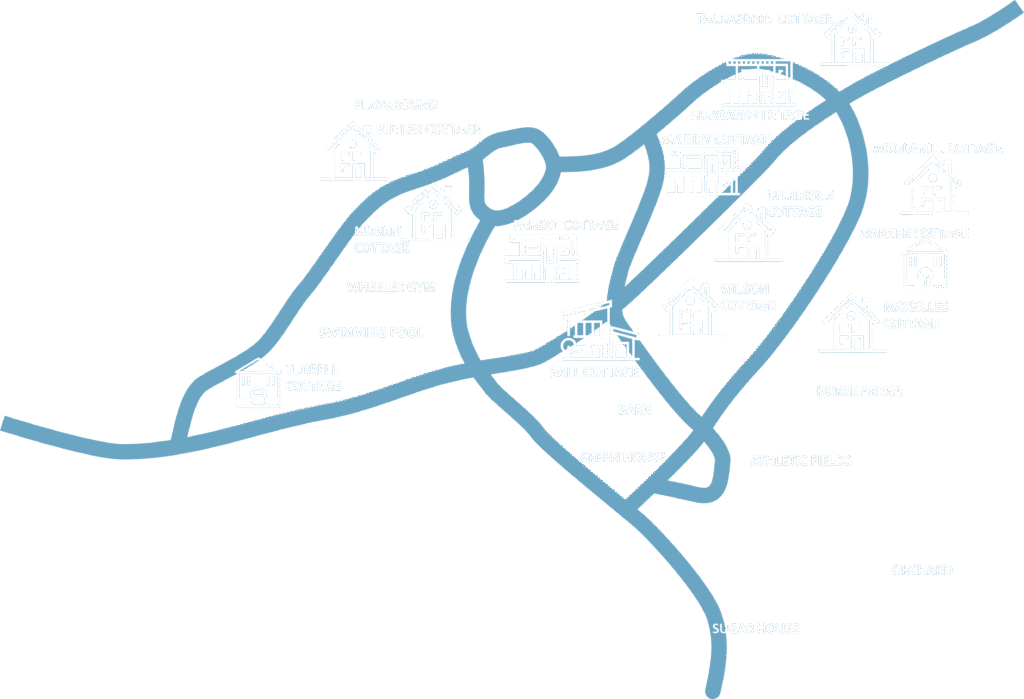
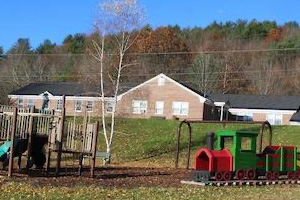
 Butler Cottage, home for middle school boys, was built in 1974. The playground area is used by virtually all of the children for a mid-day activity time, after dinner, and on the weekends.
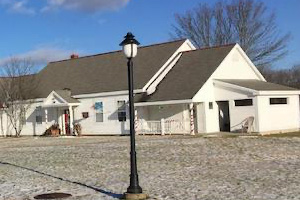 Maysilles Cottage was built in 2006 in honor of David J. Maysilles and his wife, Barbara. The Maysilles Cottage is home to the oldest girls.
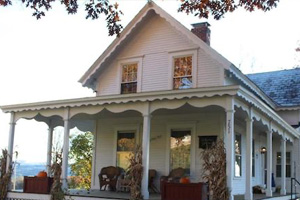
Jennie Ball Cottage is the oldest surviving structure on campus from before 1894. Originally part of the Pierce farm, it was refurbished and rededicated Jennie Ball Cottage for the Homes’ Centennial Celebrations by William J. III and Nancy Fowler Scarlett. It once housed the “farm boys” who milked the cows early each morning, it now is the residence of one of the Assistant Directors of Residential Services.
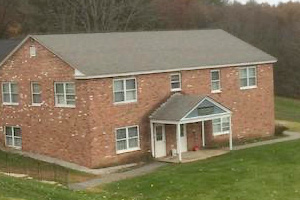 Hubbard Cottage, a gift of Oliver J. and Dorothy Penniman Hubbard, was built in 1976 and is home to the youngest girls on the main level. The lower level of Hubbard houses the Flora H. Morrill LaClair Wellness Center, the health center for the children.
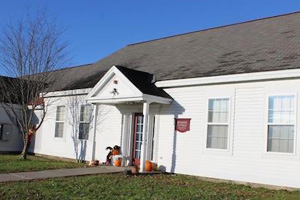
Dickinson Cottage was built in 1994 to honor the founder of the Homes, Rev. Charles Albert Dickinson. This cottage was one of the three cottages built to consolidate the girls onto the Westminster campus. Dickinson is generally home to the older, elementary-aged girls.
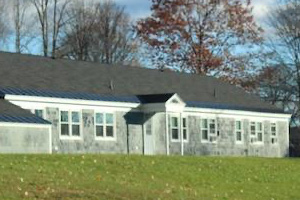 Built in 1973, Morrison Cottage is home to our middle-aged boys.
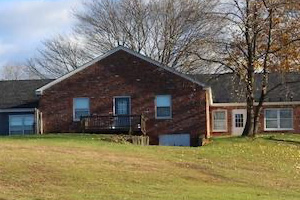 Given by John Wisell in memory of his mother, Maude Wisell Parent, this cottage enjoys a spot in the center of campus with a view of almost the entire surroundings. Built in 1978, it is home for the youngest boys.
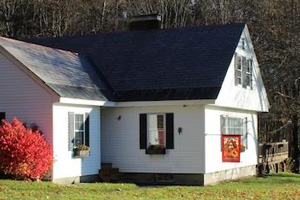 Tackaberry Cottage was built in honor of Frank R. Tackaberry, a supporter from Boston in 1953. It currently is the home of the Director of Residential Services.
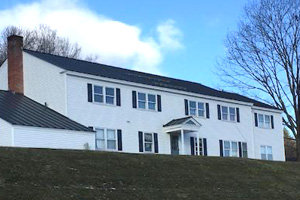 Originally built in 1973 in memory of Herbert and Margaret Turrell, but burned down and was rebuilt in 1988, Turrell Cottage is a two story residence which usually houses older boys.
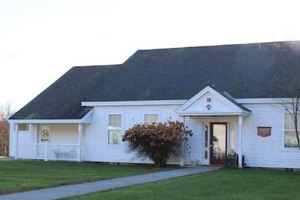
Warner Cottage was built in 1994 to honor Sarah J. Warner of Saxtons River whose bequest in 1895 led to the opening of Warner Home, the 150 acre Saxtons River Campus used primarily for girls through the years. Warner is generally home to the younger, middle school girls.
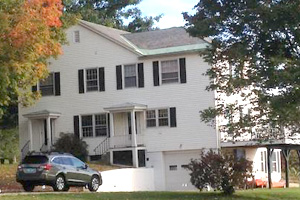 Wilson Cottage, built in 1942, is the residence of the Executive Director of the Homes.
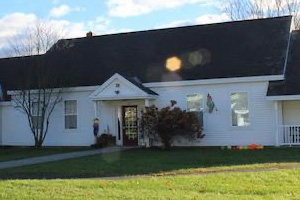
The Woodhull family has a long history of alumni, supporters, and trustees at the Homes. In 1994, they donated one of the cottages that helped consolidate the girls onto the Westminster campus. Woodhull is home to the younger, elementary-aged girls.